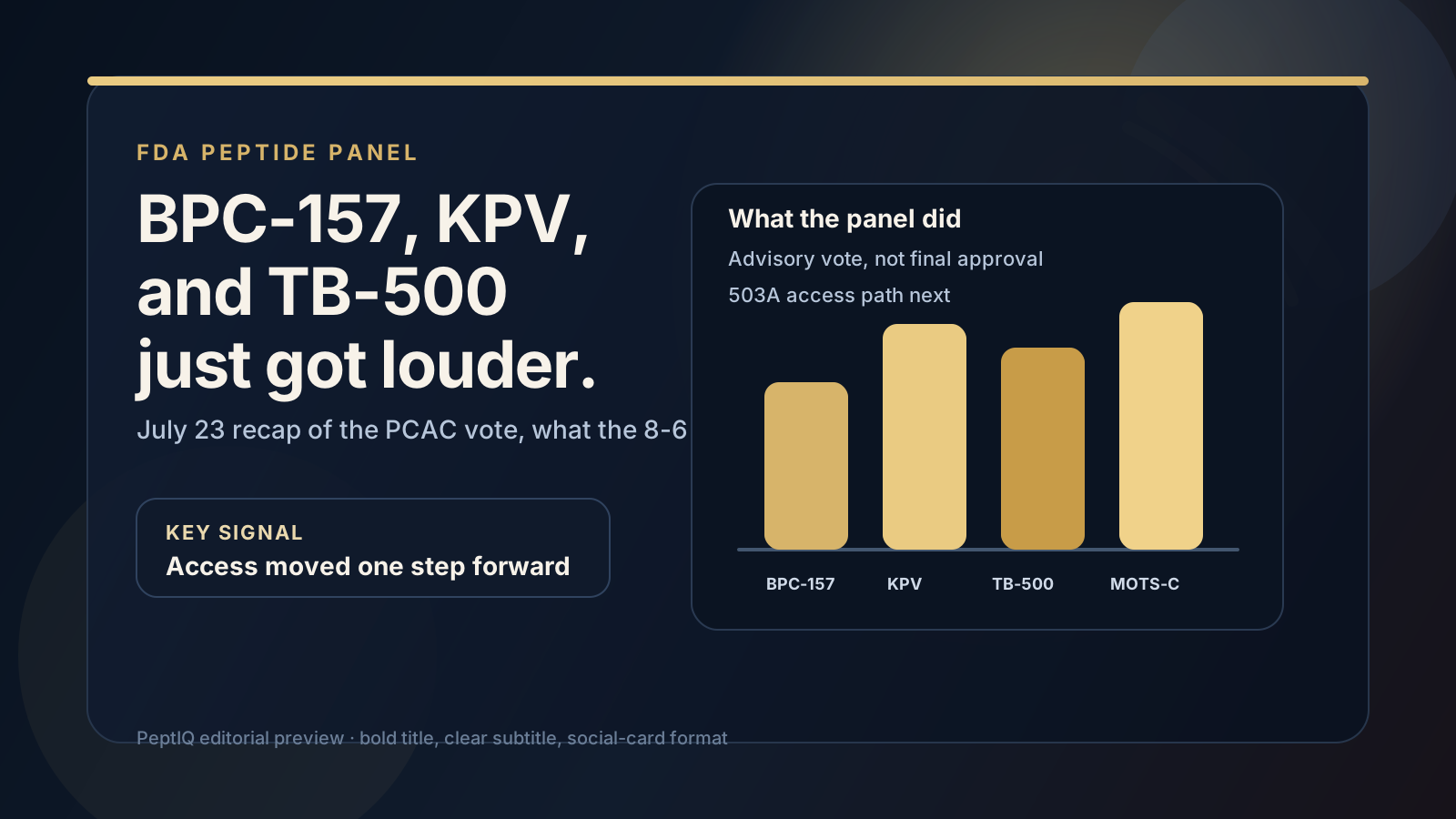
bpc-157 news today fda warning FDA's July 23 Peptide Panel Backed BPC-157, KPV, and TB-500. Here Is What Happens Next. | PeptIQ Blog Net Weight:500mcg body protective compound GLP-1 drugs tied to
GLP-1 drugs tied to elevated risk of low blood pressure episodes - Northwestern Now
A 0.20 mL draw is 20 units
body protective compound
Net Weight:500mcg
Research Applications BPC-157 has been studied extensively in animal models across a range of research contexts: Soft tissue repair — tendon, ligament, and muscle injury models in rodents have shown accelerated healing markers when BPC-157 was introduced into experimental protocols Gastrointestinal research — studies in rat models have examined its cytoprotective properties in gastric lesion, inflammatory bowel, and esophageal damage models Neuroprotection — preclinical research has explored BPC-157 in models of peripheral nerve damage, central nervous system injury, and dopaminergic system modulation Musculoskeletal research — bone-tendon junction healing, fracture repair, and osteogenic differentiation models have been examined in multiple published studies Organ protection — emerging preclinical literature has investigated BPC-157 in hepatic, renal, and cardiac injury models in rodents Why Researchers Choose BPC-157 BPC-157 is notable in research peptide literature for its stability in acidic environments, distinguishing it from many peptides that degrade rapidly in gastric conditions